

TechnoEdge

Free Master Class

How to Plan Your AI Training Budget for FY26? (For CHROs & L&Ds)

Category

Diagram of a 2026 flattened corporate structure showing AI agents integrated into departments alongside human team leads and strategy officers.
blogs

AI in Corporate Jobs 2026: How Artificial Intelligence Is Changing Roles, Careers, and the Future of Work

Introduction Artificial Intelligence is no longer something corporates are “experimenting” with.In 2026, AI has already become part of everyday corporate life. It is present in dashboards, reports, meetings, hiring systems, customer support tools, performance tracking software, and even leadership decision-making. Many corporate employees use AI daily without even realizing it. Because of this rapid adoption, one question is silently worrying professionals across industries: What will happen to my job in the AI era? This fear is understandable, but it is also incomplete. AI is not entering corporates to destroy careers.AI is entering corporates to change how work is done. This blog explains in deep detail how AI is transforming corporate jobs in 2026, which roles are growing, which roles are evolving, which roles are under pressure, and how professionals can stay relevant, confident, and valuable in this new work environment. Why Corporate Jobs Are Changing Because of AI Corporates adopt AI for practical business reasons, not emotional ones. AI helps companies work faster, reduce human errors, manage large volumes of data, and make more informed decisions. Tasks that earlier took hours or days can now be completed in minutes. In the past, many corporate roles were built around repetitive activities such as data entry, report preparation, coordination, and monitoring. AI can now handle a large part of this work efficiently. As a result, companies are redesigning job responsibilities.They are not removing humans completely, but they are removing low-value tasks. This is why corporate jobs feel different today compared to a few years ago. How AI Is Creating New Value-Oriented Corporate Roles AI does not work independently. It needs human direction, validation, and interpretation. Because of this, corporates are creating and expanding roles that focus on decision-making, strategy, oversight, and communication. Professionals who understand both business context and AI output are becoming extremely valuable. In 2026, roles related to business analysis, data interpretation, AI operations, risk management, compliance, product strategy, and organizational planning are growing rapidly. These roles exist because AI generates insights, but humans decide what to do with those insights. The more AI a company uses, the more it needs humans who can think clearly. Why Most Corporate Roles Are Evolving, Not Disappearing A common misunderstanding is that AI replaces entire job titles. In reality, AI replaces parts of jobs, not full roles. Take human resources as an example. AI now screens resumes, schedules interviews, and analyzes candidate data. But HR professionals still handle culture building, leadership development, conflict resolution, and employee well-being. The same applies to finance, marketing, operations, and management roles. AI automates repetitive tasks, while humans focus on judgment, creativity, ethics, and long-term planning. The job name stays the same, but the nature of work changes. Corporate Roles That Face the Highest Pressure from AI Roles that depend mainly on routine, rule-based, and repetitive work face the most pressure. Jobs involving basic data processing, manual reporting, simple customer queries, and repetitive monitoring are increasingly automated. AI performs these tasks faster, cheaper, and with fewer mistakes. However, this does not mean people in these roles are instantly removed. Corporates often expect employees to learn new skills and shift toward more value-driven responsibilities. The real risk is not AI itself.The real risk is staying static while work evolves. Why Human Skills Are Becoming More Important in the AI Era One of the biggest myths about AI is that it reduces the importance of humans. The truth is the opposite. AI cannot understand emotions, handle ethical dilemmas, manage people, negotiate conflicts, or take responsibility for long-term consequences. These areas still require human intelligence. In 2026, corporates value skills like critical thinking, communication, leadership, adaptability, emotional intelligence, and ethical judgment more than ever. AI handles execution.Humans handle meaning. How Corporate Professionals Can Stay Relevant and Future-Ready Staying relevant does not mean learning complex coding or becoming an AI engineer. It means understanding how AI affects your role. Corporate professionals who learn how to use AI tools responsibly, interpret AI-generated insights, and align them with business goals become indispensable. Those who ignore AI slowly fall behind, even if their job title remains unchanged. Learning to collaborate with AI is now part of professional growth, not an optional skill. Why Corporates Prefer AI-Aware Employees Corporates do not want employees who fear AI or resist change. They want employees who understand AI’s strengths and limitations and use it responsibly. AI-aware employees reduce dependency on external vendors, improve productivity, and help companies avoid legal and ethical risks. In 2026, AI awareness is becoming as basic as computer literacy once was. How AI Is Changing Corporate Career Growth Career growth is no longer based only on years of experience. It is based on learning speed and adaptability. Professionals who continuously upgrade skills and mindset grow faster. Those who rely only on past experience feel stuck. AI rewards curiosity, learning, and openness to change. What This Means for Professionals Reading TechnoEdgels For readers of https://technoedgels.com/, AI should not be a source of fear. It should be a source of clarity. Understanding how AI reshapes corporate jobs helps professionals plan careers strategically instead of reacting emotionally. Knowledge brings confidence, and confidence brings control. Frequently Asked Questions (FAQs) Will AI completely replace corporate jobs in the future? AI will not completely replace corporate jobs. It replaces repetitive tasks and supports decision-making. Jobs that require human judgment, leadership, communication, and responsibility will continue to exist and grow. The nature of work will change, but human involvement will remain essential. Which corporate professionals should be most concerned about AI? Professionals who rely only on routine, repetitive tasks and do not update their skills should be concerned. AI affects tasks, not job titles. Those who learn new responsibilities and adapt their role remain valuable. Do corporate employees need technical or coding skills to survive AI? No. Most corporate employees do not need coding skills. They need AI awareness—understanding how AI works, what it can and cannot do, and how to use its output responsibly within their role. Is AI adoption

Infographic comparing Traditional Google Search links vs. AI Search Generative Experience (SGE) conversational answers in 2026.
blogs

The Future of Search in 2026: How Google Search and AI Search Are Changing the Way People Find Information

Introduction Search is not disappearing, but the way people use search is changing completely. For more than twenty years, people depended on Google to find information. They typed keywords, clicked links, opened multiple websites, and slowly formed their understanding. This system created the foundation of blogging, SEO, and online businesses. In 2026, this habit is shifting. People now expect search to understand questions, not just match keywords. They want one clear explanation instead of ten links. AI-powered search tools are fulfilling this expectation by reading information across the internet and presenting it as a single, clear answer. This shift is not a small update.It is a fundamental change in how humans interact with information. This blog explains in deep detail how Google search and AI search are evolving together, what this means for websites, and how content creators can stay relevant in the future. How Google Search Built the Internet as We Know It Google search was designed to organize information, not explain it. Its job was to find relevant pages and rank them. Users were responsible for reading, comparing, and deciding what to trust. This encouraged content creation, competition, and SEO innovation. For many years, this system worked because users were willing to explore and research on their own. Websites gained traffic by ranking well, and ranking well meant business growth. However, as the internet grew, content also became repetitive, promotional, and confusing. Users began feeling overwhelmed instead of informed. Why User Expectations Are Changing So Rapidly Modern users are tired of effort-heavy searching. They do not want to open multiple tabs, read half-written articles, or deal with popups and ads. They want clarity, speed, and confidence in the answer they receive. AI search tools meet this expectation by acting more like a knowledgeable assistant than a directory. Users ask questions naturally, and AI responds in a conversational, easy-to-understand way. This change is driven by time scarcity and attention overload. People value systems that reduce mental effort. What AI Search Actually Is (Beyond the Hype) AI search is not just another search engine. It is an interpretation layer built on top of the internet. AI systems read information from multiple sources, compare perspectives, identify patterns, and then generate a clear explanation. The role of websites changes here. Websites are no longer only destinations for traffic. They are becoming raw knowledge providers for AI systems. This means visibility is no longer only about clicks.It is also about being referenced and trusted. Google Search vs AI Search: How the Purpose Has Changed Google search is about exploration.AI search is about resolution. Google offers choices. AI offers conclusions. Google expects users to read and decide. AI expects users to trust the explanation it provides. This does not mean Google is becoming irrelevant. Google is integrating AI directly into search results because it understands this change in user behavior. The future of search is not competition between Google and AI.It is Google becoming more AI-driven. Why Google Must Adapt to AI-Driven Search Google’s business depends on user trust and attention. If users feel AI tools provide clearer and faster answers, Google must match that experience or risk losing engagement. This is why Google is introducing AI summaries, conversational search, and generative results. This confirms one truth:AI-driven search is not optional. It is inevitable. Google is not abandoning search.It is rebuilding it. How Website Traffic Is Changing, Not Disappearing Many website owners fear that AI search will kill traffic. In reality, traffic is becoming more selective. Simple questions are answered directly by AI, reducing clicks. But complex topics, deep learning, comparisons, opinions, and advanced guides still require full articles. This means future traffic will be: Websites that educate deeply will receive fewer but higher-quality visitors. Why Trust and Authority Decide Visibility Now AI systems must decide which information is safe and reliable. They prefer content that is clear, consistent, honest, and well-explained. This makes EEAT more important than ever. When AI trusts a website, it uses that content more often. Over time, this builds brand recognition and indirect traffic through direct searches and referrals. Authority is becoming more powerful than rankings alone. How Content Strategy Must Change for 2026 Content can no longer be written only to rank. It must be written to teach clearly. Future-ready content explains the background of a topic, the logic behind it, and its real-world impact. It anticipates user doubts and answers them naturally. AI prefers content that feels like a good teacher, not a marketing page. Why Long-Form Content Is Becoming the Foundation of AI Search AI systems need context to generate accurate answers. Long-form content provides that context. It explains not just what something is, but why it exists and how it works. Short content lacks depth and clarity. Over time, it becomes irrelevant. Long-form, well-structured content becomes the training material for AI answers. Frequently Asked Questions (FAQs) Will AI search completely replace Google search in the future? AI search will not replace Google search entirely. Instead, Google search is evolving into an AI-powered system. Traditional search and AI-driven answers will merge into one experience. Users will still search on Google, but results will feel more conversational, explanatory, and intelligent. Will websites lose traffic because AI gives answers directly? Websites will lose low-quality, low-intent traffic, but they will gain more valuable visitors. Users who still click through will be those looking for deeper understanding, examples, or expert opinions. This traffic converts better and builds long-term loyalty. Is SEO still relevant in an AI-driven search world? SEO is still relevant, but it has changed. SEO is no longer only about keywords and rankings. It is now about clarity, intent matching, trust, and depth. Websites that focus on modern SEO principles will continue to grow. Can small websites compete with big brands in AI search? Yes. AI systems care more about explanation quality than brand size. A small website that explains a topic clearly and honestly can outperform a big brand that publishes shallow content. Understanding beats reputation.

Professional using a multi-agent AI dashboard to manage cross-sector business workflows in a modern 2026 office setting.
blogs

AI Tools for Different Sectors in 2026: How People Use AI to Work Smarter, Grow Faster, and Build Long-Term Trust

Introduction Artificial Intelligence is no longer something only big tech companies use.In 2026, AI tools are part of daily life for bloggers, business owners, marketers, students, developers, and creators. Earlier, people worked manually and spent hours on tasks like research, writing, planning, editing, and analysis. Today, AI tools help reduce that effort and allow people to focus on thinking, strategy, and creativity. However, many people still make one big mistake. They either use AI blindly or avoid it completely. Both approaches are wrong. The real power of AI comes when you understand which AI tools are used in which sector and why. This blog explains AI usage sector by sector, with real tool names, deep explanations, and a clear understanding of how AI supports growth without replacing human intelligence. How Bloggers and Writers Use AI Tools in 2026 Blogging today is not just about writing words. It is about explaining topics clearly, publishing consistently, and building trust with readers and search engines. Bloggers use tools like ChatGPT, Claude, and Gemini to understand topics deeply, expand ideas, and improve the structure of long articles. These tools help bloggers think faster by organizing information logically, but the final explanation still comes from the blogger. For SEO and search intent alignment, bloggers use tools such as Surfer SEO, NeuronWriter, and Frase. These tools analyze top-performing content and show how deeply a topic should be explained to satisfy users and AI-based search systems. Editing tools like Grammarly and Hemingway Editor help bloggers simplify language, remove confusion, and improve readability especially important for Tier 2 and Tier 3 audiences. AI does not replace blogging skills.It strengthens clarity, consistency, and discipline. How Digital Marketers Use AI Tools to Scale Faster Digital marketing today involves content creation, SEO, ads, analytics, and social media. Managing all this manually is difficult. Tools like Jasper AI and Copy.ai help marketers write ad copies, emails, and landing page text faster. AI speeds up execution, while strategy still comes from humans. SEO and competitor analysis tools like Semrush, Ahrefs, and Moz use AI to analyze keywords, trends, and gaps. This allows marketers to make data-driven decisions instead of guessing. Social media tools like Predis.ai, Hootsuite AI, and Buffer AI help generate captions, analyze engagement, and schedule content efficiently. AI allows marketers to focus more on growth strategy and less on repetitive work. How Business Owners and Entrepreneurs Use AI Tools Small business owners often do not have large teams. AI tools help them operate efficiently. Tools like Notion AI and ClickUp AI help with planning, documentation, and workflow organization. Ideas become structured plans quickly. Customer support tools like Tidio, Zendesk AI, and Intercom AI answer common customer questions automatically, improving response time and customer satisfaction. For reports, proposals, and presentations, tools like Gamma AI and Beautiful.ai help create professional content without design skills. AI helps small businesses grow without increasing costs. How Developers and Tech Professionals Use AI Tools Developers use AI to reduce repetitive work and improve focus. Tools like GitHub Copilot and Codeium suggest code, complete functions, and reduce debugging time. Developers still design systems and logic, but AI saves mental energy. Documentation and security tools like Mintlify and Snyk AI help maintain quality and safety in codebases. AI does not replace developers.It improves productivity and reduces burnout. How Designers and Content Creators Use AI Tools Designers and creators use AI to speed up creative workflows. Tools like Midjourney, DALL·E, and Adobe Firefly help generate images, thumbnails, and visual concepts. Designers refine and customize outputs to maintain originality. Video tools like Runway ML, Pictory, and Descript help with editing, subtitles, and script improvement. AI helps creators move from idea to execution faster without losing creative control. How Students and Educators Use AI Tools In education, AI supports learning, not cheating. Students use ChatGPT, Perplexity AI, and Notion AI to understand difficult topics, summarize notes, and practice explanations. Educators use Canva AI, Quizizz AI, and Gradescope to create teaching materials, quizzes, and assessments more efficiently. When used ethically, AI improves understanding and saves time. AI Tools, Trust, and EEAT AI tools do not automatically create trust. Trust comes from how AI is used.When AI helps improve clarity, accuracy, and consistency, it supports Experience, Expertise, Authority, and Trust (EEAT). When AI output is copied blindly, trust is lost. Human responsibility is still the most important factor. Frequently Asked Questions (FAQs) Are AI tools really safe to use across different sectors? Yes, AI tools are safe across all sectors when used responsibly. Search engines, platforms, and users do not judge whether AI was used. They judge content quality, accuracy, and trust. If AI helps improve understanding and clarity, it is safe. Problems occur only when AI output is used without review or fact-checking. Can beginners use AI tools without harming quality? Yes, beginners benefit the most from AI tools. AI helps beginners structure content, understand topics, and avoid common mistakes. However, beginners must still read, understand, and edit AI output. AI should assist learning, not replace thinking. Do AI tools reduce originality and creativity? No. AI does not remove originality. Originality comes from human experience, explanation style, and perspective. AI only provides support. Content becomes generic only when humans stop adding context and insight. How do AI tools support EEAT instead of harming it? AI tools support EEAT by improving clarity, reducing errors, and helping maintain consistency. When humans control final decisions and explanations, AI strengthens expertise and trust rather than damaging it. Is AI-generated content safe for SEO and AI search? Yes, AI-assisted content is safe for SEO and AI search if it is helpful, accurate, and original. Search systems reward value, not the writing method. Low-quality content is penalized, not AI usage. Is WordPress suitable for AI-assisted workflows? Yes. WordPress works very well with AI-assisted blogging and SEO workflows. It supports clean structure, easy editing, and optimization, which aligns perfectly with AI-powered content creation. Final Conclusion AI tools are no longer optional in 2026.They are essential assistants across every sector.

Graphic showing an optimized 2026 Author Bio with links to LinkedIn, professional certifications, and a 'Verifiable Expert' badge for AI recognition.
blogs

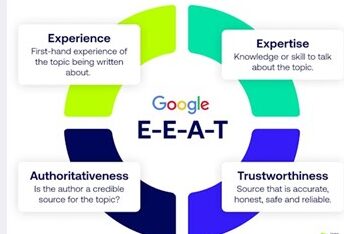
EEAT in 2026: Why Trust, Real Experience, and Authority Decide Which Websites Survive

Introduction The internet is full of content, but not all content deserves trust. In the past, search engines mainly cared about keywords, backlinks, and technical optimization. If a page followed the rules, it could rank even if the content was confusing or copied. Many websites grew traffic using tricks rather than value. That era is ending. In 2026, search engines and AI systems are focused on protecting users. They want to show information that is accurate, safe, and genuinely helpful. This is why EEAT has become one of the strongest deciding factors in search visibility. EEAT stands for Experience, Expertise, Authority, and Trust. These four elements decide whether a website is considered reliable enough to appear in search results, featured answers, voice search, and AI-generated responses. This blog explains EEAT in complete depth, using very simple English, so you fully understand why it matters, how it works behind the scenes, and how websites can build strong EEAT for long-term success. What EEAT Truly Means (Beyond Definitions) EEAT is not a tool, plugin, or SEO trick. It is the way search engines and AI systems judge credibility. Experience means the content feels realistic and grounded, not copied or theoretical. It shows that the topic is understood in a practical way. Expertise means the content explains the topic correctly and clearly, without confusion or wrong information. Authority means the website has earned a reputation over time by consistently helping users. Trust means users and systems feel safe believing the information and acting on it. Together, EEAT answers one critical question for search engines and AI:“Is this website safe and reliable for users?” Why EEAT Has Become Non-Negotiable in 2026 Today, anyone can publish content in seconds. This has created a serious problem misinformation spreads very easily. Search engines and AI tools now carry responsibility. If they show wrong or misleading information, users lose trust not only in websites but also in the platform itself. To avoid this, search engines have changed their priorities. They no longer reward clever optimization alone. They reward credibility and responsibility. EEAT helps search systems filter content and choose information that genuinely helps users. In 2026, EEAT is not an advantage. It is a requirement. How AI Has Made EEAT Even More Powerful AI systems do more than show links. They read, understand, summarize, and explain content directly to users. If AI uses unreliable content, misinformation spreads instantly to thousands of people. Because of this risk, AI systems are extremely careful about which content they trust. They prefer content that feels honest, balanced, and clearly explained. They avoid content that exaggerates, confuses, or feels copied. Strong EEAT gives AI systems confidence to use your content. Weak EEAT makes your content invisible even if it ranks in traditional search. What “Experience” Really Means in EEAT Experience does not mean personal stories everywhere. It means the content feels real. Content written only by rewriting definitions feels empty. Content written with understanding feels natural and confident. It answers questions users actually have, not just textbook explanations. Search engines can detect whether content feels lived-in or artificial. In 2026, content that feels human builds more trust than content that feels automated. Experience makes content relatable, and relatable content earns trust. What “Expertise” Really Means in Modern Search Expertise is not about sounding intelligent. True expertise appears when complex ideas are explained simply. When a topic is explained step by step, without mistakes or confusion, it shows deep understanding. Search engines evaluate how completely a topic is covered. Content that answers follow-up questions and removes doubt is considered expert content. In 2026, expertise is measured by clarity and accuracy, not complicated language. What “Authority” Really Means Today Authority is built slowly. It grows when a website consistently publishes helpful content and becomes a reference point for a topic. Authority is not about being famous. It is about being reliable. When users return to a website, when AI systems reuse content, and when topics are covered deeply, authority grows naturally. Search engines look at long-term patterns. One viral article does not build authority. Consistency does. Why “Trust” Is the Core of EEAT Trust is the foundation of everything. Without trust, experience, expertise, and authority lose value. Trust means users believe your content is honest, accurate, and safe. Websites that exaggerate claims, hide information, or confuse users lose trust quickly. Once trust is lost, visibility is very hard to recover. In 2026, trust is the strongest currency in search and AI visibility. How EEAT Influences Rankings and AI Answers EEAT works quietly in the background. When multiple websites compete for the same topic, the one with stronger EEAT usually wins. EEAT affects not only rankings but also featured answers, AI summaries, and voice responses. Strong EEAT increases visibility across all search formats, not just traditional results. How Websites Can Build EEAT Naturally EEAT cannot be forced. It is built by consistently writing honest, clear, and helpful content. It grows when websites explain topics deeply, update information regularly, and avoid exaggeration. When a website genuinely helps users, EEAT develops naturally over time. There are no shortcuts. Common EEAT Mistakes That Limit Growth Many websites chase traffic instead of trust. They publish thin content, copy information, or exaggerate benefits. This damages credibility and limits growth. EEAT rewards patience, honesty, and depth not shortcuts. Frequently Asked Questions (FAQs) What does EEAT really mean in simple language? EEAT means proving that your content comes from real understanding, correct knowledge, a reliable website, and honest intent. It helps search engines and AI systems decide whether your website is safe and trustworthy for users. Is EEAT only important for large or famous websites? No. EEAT helps small websites the most. Search engines care more about content quality and trust than brand size. A small website with clear and honest content can compete strongly. How long does it take to build strong EEAT? EEAT is a long-term process. It grows slowly as you consistently publish helpful content. Once built, it becomes

blogs

SEO in 2026: How Search Is Evolving, Why Old SEO Is Failing, and What Websites Must Do to Get Traffic

Introduction SEO is not dead, but the old idea of SEO is slowly dying. For many years, SEO worked in a very predictable way. Website owners focused on keywords, backlinks, and technical fixes. If everything was optimized correctly, traffic came. Rankings decided success. Today, this system no longer works the same way. Search engines are now much smarter. They try to understand why a user is searching, not just what words they typed. They analyze content quality, intent, trust, and usefulness. On top of that, AI systems are now deeply involved in search, summarizing content and answering questions directly. Because of these changes, SEO in 2026 is not about tricks or shortcuts. It is about helping users clearly, honestly, and deeply. This blog explains how SEO has evolved, what SEO truly means in 2026, and how websites can build long-term traffic instead of chasing short-term rankings. How SEO Has Evolved Over Time In the early days, SEO was mainly technical. Search engines were basic. They matched keywords and counted links. If your page had the right keywords and enough backlinks, it ranked. As more websites appeared, this system was abused. Low-quality pages ranked easily. Users struggled to find reliable information. To solve this, search engines started evolving. They added smarter algorithms, user behavior analysis, and machine learning. The goal shifted from ranking pages to satisfying users. Today, SEO is no longer about gaming the system. It is about earning visibility by being useful. Websites that fail to adapt to this evolution slowly lose traffic, even if they were successful in the past. What SEO Really Means in 2026 SEO in 2026 is not just “Search Engine Optimization.”It has become Search Experience Optimization. Search engines now measure how users experience your content. They analyze whether users find answers, stay on your page, trust your website, and return again. This means SEO success depends on: Ranking is no longer the final goal.Being useful is the real goal. When users are satisfied, search engines reward the website automatically. Why Old SEO Techniques Are Failing Today Many websites still use outdated SEO methods. They focus heavily on keyword density, publish short and shallow articles, and chase backlinks without improving content quality. These techniques may give short-term results, but they fail in the long run. Search engines and AI systems can now identify content that exists only to rank, not to help. Such content slowly loses visibility because users do not engage with it. In 2026, SEO no longer rewards manipulation.It rewards clarity, honesty, and depth. How AI Is Completely Changing SEO AI has changed how search engines read and understand content. Instead of scanning pages quickly, AI systems now: AI also powers featured answers, summaries, voice search, and generative responses. This means your content is not only competing with other websites, but also with AI-generated answers. To survive, SEO content must be written so clearly that AI systems can understand and reuse it confidently. SEO without AI awareness is incomplete in 2026. How SEO, AEO, GEO, and AI Search Work Together Modern SEO does not work alone. SEO helps your content get discovered.AEO helps your content answer questions clearly.GEO helps your content appear inside AI-generated responses. SEO in 2026 works best when all three are combined naturally. If your page ranks but does not answer questions, it fails.If it answers questions but lacks structure, AI ignores it. Balanced content wins. Why User Intent Is the Heart of SEO in 2026 Search engines now focus deeply on user intent. They try to understand what the user actually wants: Content that matches intent performs well. Content that misses intent fails, even if it is optimized. This is why writing for your real audience matters more than writing for keywords. Understanding user intent is the foundation of modern SEO. Why Trust and Authority Matter More Than Rankings Search engines want to protect users. Because of this, they prioritize websites that show trust and authority. Trust is built through: Authority is not built overnight. It grows when a website consistently helps users. SEO in 2026 strongly favors credible websites, not aggressive optimizers. Why Content Quality Is the Core of SEO Success Content quality is no longer optional. High-quality content explains topics from the basics, removes confusion, and gives real value. It does not rush. It does not confuse. It does not mislead. Search engines analyze how users behave on your content. If users stay, read, and come back, your SEO improves naturally. Quality content builds organic trust, which no algorithm update can destroy. How to Do SEO Properly in 2026 SEO today is about education, not manipulation. Content should be written to teach users clearly. Topics must be explained fully, using simple language and logical flow. Content should be updated regularly to stay relevant. Technical SEO still matters, but it supports content it does not replace it. Modern SEO is a content-first discipline. How SEO in 2026 Builds Long-Term Traffic SEO today is about stability. Instead of chasing temporary rankings, modern SEO builds: Websites that focus on long-term value survive algorithm changes easily and continue to grow steadily. Common SEO Mistakes Websites Still Make Many websites still fail because they focus only on rankings. They ignore explanation depth, publish shallow articles, and avoid updating old content. SEO in 2026 punishes shortcuts and rewards real value.  Frequently Asked Questions (FAQs) Is SEO still relevant in 2026? Yes, SEO is very relevant, but it has changed completely. SEO in 2026 is about improving user experience, clarity, and trust. Websites that help users properly will continue to rank and appear in AI-driven search systems. Are keywords still important for SEO? Keywords still matter, but they are no longer the center of SEO. Understanding user intent and explaining topics clearly is far more important than repeating keywords. Keywords now support content, not control it. Can small websites succeed with SEO in 2026? Yes. Search engines now focus more on content quality than brand size. A small website that explains a topic

A futuristic 2026 search interface showing an AI-generated answer at the top with a 'Source: TechnoEdgels' citation link clearly visible.
blogs

 AI Search Optimization: How AI Is Changing Search in 2026 and How Websites Can Get Future Traffic

Introduction Search on the internet is not what it used to be. For a long time, people depended on search engines to find websites. They typed keywords, clicked links, compared pages, and then decided which information was correct. Website traffic depended mainly on ranking positions. Today, this behavior is changing very fast. People now want direct answers, not website lists. They are asking questions to AI tools, AI-powered browsers, voice assistants, and smart search systems. These systems do not simply show links. They read content, understand it, and then generate one clear answer. This shift is already affecting website traffic across the world. Websites that still depend only on old SEO methods may slowly lose visibility. Websites that understand and apply AI Search Optimization are preparing themselves for stable traffic in 2026 and the coming years. This blog explains AI Search Optimization in complete detail, with simple language and deep explanation, so anyone can understand how search is changing and how to adapt. What Is AI Search Optimization? AI Search Optimization is the process of creating and structuring website content so that AI-powered search systems can easily understand it, trust it, and use it while answering user questions. Traditional search engines worked mainly on keywords and links. AI search systems work more like humans. They read full content, understand meaning, analyze context, and compare explanations from different sources. AI Search Optimization focuses on making your content: In simple words, AI Search Optimization helps your website stay visible when search engines stop acting like machines and start acting like intelligent assistants.  How Search Has Changed in the AI Era Earlier, searching meant effort. Users searched, clicked, read multiple websites, and then formed an answer in their mind. This worked when information was limited. Today, information is everywhere. Modern users do not want to search.They want to understand. AI-powered search exists because people want fast, clear, and reliable explanations. AI removes confusion by summarizing knowledge into one meaningful response. Because of this, content must now be written in a way that AI can read, understand, and reuse. Ranking alone is no longer enough. How Modern AI Search Engines Actually Work AI search engines follow a thinking-based process. First, they try to understand the real intent behind a question. They analyze what the user wants to learn, not just the words used. Next, AI scans many websites and reads content fully. It compares how different websites explain the same topic. Then AI evaluates explanation quality. Content that is simple, clear, and complete is preferred. Content that is confusing, shallow, or written only for SEO is ignored. Finally, AI generates a response using the best explanations available, often combining ideas but relying strongly on the clearest sources. If your content does not explain things well, it will never reach this stage. Why Traditional SEO Alone Is No Longer Enough Traditional SEO helps search engines find your website.But it does not guarantee that AI systems will use your content. Many websites rank well but never appear in AI answers. This happens because ranking does not equal usefulness. AI systems do not reward keyword repetition or backlinks alone. They reward clarity, depth, and understanding. That is why websites that depend only on SEO may lose traffic slowly, while websites that focus on explanation quality will grow. How AI Search Optimization Connects SEO, AEO, and GEO SEO, AEO, and GEO all play different roles. SEO helps content get discovered.AEO helps content answer questions clearly.GEO helps content appear inside AI-generated responses. AI Search Optimization connects all three into one strategy. It ensures your content can rank, answer, and be reused by AI systems. Why AI Search Optimization Will Control Traffic in 2026 AI is becoming the first layer of search. It is being added to browsers, mobile apps, search engines, and smart devices. In the future, many users may never see traditional search result pages. At the same time, click-based traffic is reducing. This does not mean websites are dying. It means visibility has moved inside answers. Websites that are repeatedly used by AI systems build trust and recognition. Over time, this trust converts into loyal traffic. How to Optimize Content for AI Search Properly Content must be written to teach, not to impress algorithms. Topics should be explained from the basics, covering what the topic is, why it matters, how it works, and how it helps users. Structure should be logical, and language should feel natural and human. AI prefers content that feels genuinely helpful, not marketing-focused. How AI Search Optimization Builds Long-Term Traffic AI Search Optimization is not about quick traffic spikes. It is about building authority. When your content becomes part of AI answers, your website gains long-term relevance. Algorithm changes have less impact, and trust grows over time. This makes AI Search Optimization one of the safest traffic strategies for the future. Common Mistakes Websites Make in AI Search Optimization Many websites still write content only to rank. They avoid explaining basics, use complex language, or publish shallow articles. AI search does not reward shortcuts. It rewards clarity, honesty, and depth.  Frequently Asked Questions (FAQs) What does AI Search Optimization really mean? AI Search Optimization means writing content in such a clear, structured, and helpful way that AI systems can easily understand it and trust it. It is not about tricks or tools. It is about explanation quality. When AI understands your content deeply, it can reuse it while answering questions, which increases your visibility and authority. Is AI Search Optimization replacing SEO completely? AI Search Optimization is not replacing SEO. It is expanding it. SEO helps your content get discovered by search engines. AI Search Optimization ensures that once discovered, your content is actually used by AI systems to generate answers. Without AI optimization, SEO alone becomes weaker over time. Can small or new blogs succeed in AI search? Yes, absolutely. AI systems do not judge websites by size or popularity. They judge by clarity and usefulness. A small blog that explains

Infographic comparing Traditional SEO focusing on website clicks vs Answer Engine Optimization (AEO) focusing on direct user solutions.
blogs

What Is Answer Engine Optimization (AEO) & Why It Is the Future of Search Traffic

Introduction Search on the internet is no longer about finding websites.It is now about finding answers. In the past, users typed short keywords, clicked many links, read multiple articles, and then decided which answer was correct. This process was slow and confusing, especially for beginners. Today, people want one clear answer, explained in simple language, without opening many websites. Because of this change in behavior, AI-powered answer engines and smart search systems are becoming more popular every day. These systems are designed to understand human questions, analyze content deeply, and provide a direct response. They do not care about keyword stuffing or marketing language. They care about clarity, accuracy, and usefulness. If your content is not written to answer questions clearly, your website will slowly lose visibility in future search results. This is why Answer Engine Optimization (AEO) is now one of the most important strategies for blogs and websites that want traffic in 2026 and beyond. What Is Answer Engine Optimization (AEO)? Answer Engine Optimization, also called AEO, is the process of creating and optimizing content so that search engines, AI tools, and voice assistants can directly use your content as an answer. AEO focuses on how well your content answers questions, not how many keywords it contains. When a user asks a question, answer engines look for content that: If your content meets these conditions, it becomes the selected answer. In simple terms, AEO turns your blog into a solution provider, not just an information page. How Search Has Changed From Keywords to Real Questions Earlier, search engines worked mainly by matching keywords. If someone typed “SEO tips,” search engines showed pages that repeated those words. Now, search engines understand natural language. People search the same way they talk: This change happened because of: Search engines now focus on intent, not just words.AEO is designed exactly for this new type of search behavior. Why Traditional SEO Alone Is Not Enough Today Traditional SEO helps search engines find your page.But it does not guarantee that your content will be used as an answer. A page can rank well but still fail in: Why does this happen? Because ranking does not mean your content explains the topic clearly. Answer engines do not choose pages based on backlinks or keyword density. They choose pages based on how helpful and understandable the content is. AEO improves SEO by making your content more useful for real users. SEO vs AEO: A Clear Difference SEO focuses on: AEO focuses on: SEO tries to bring users to your website.AEO brings your knowledge to the user. In the future, helpful content will always win over optimized content.AEO ensures your content is helpful first. Why AEO Will Be Extremely Important in 2026 AI and Voice Search Are Becoming Normal More people now use: These systems usually give one answer, not many options. If your content is not optimized for AEO, it cannot be selected as that answer. Zero-Click Searches Are Increasing Many users get answers directly on search results or AI tools without clicking any website. This does not mean websites are losing value. It means visibility has changed. When your content is shown as the answer: AEO helps you stay visible even when clicks reduce. Trust and Explanation Quality Decide Visibility AI systems avoid unclear or misleading content. They choose content that: AEO focuses on explanation quality, which builds long-term trust. How Answer Engines Choose Content Answer engines follow a clear evaluation process. First, they understand what the user really wants to know.Second, they scan content to find pages that directly answer that question.Third, they check structure, clarity, and explanation depth.Finally, they select content that feels reliable and complete. Content that is confusing or incomplete is ignored. How to Optimize Your Blog for AEO (Complete Explanation) Write to Solve a Problem Every section should solve a real user problem. Avoid filler text. Explain why the topic matters and how it helps the reader. Give the Answer First, Then Explain in DetailStart with a direct answer in simple words. Then expand with full explanation. This structure is perfect for AI extraction.  Use Very Simple and Clear Language Simple English helps both users and AI engines. Avoid unnecessary technical terms and explain everything step by step. Focus on One Main Topic Only One blog should focus on one core topic. This improves clarity and relevance. Add a Strong and Detailed FAQ Section FAQs help answer engines extract multiple answers from one page. This increases visibility. How AEO and GEO Work Together AEO helps your content become the direct answer.GEO helps your content become part of AI-generated responses. Together, they: Frequently Asked Questions (FAQs) What is the main purpose of Answer Engine Optimization? The main purpose of AEO is to make your content the best and clearest answer to user questions. Instead of focusing on rankings, AEO focuses on usefulness. When your content explains a topic clearly, answer engines prefer it and show it directly to users. This builds trust and long-term visibility. Can beginners really benefit from AEO? Yes, beginners benefit the most from AEO. Answer engines do not care about website size. They care about clarity. A new blog that explains topics clearly can easily outperform big websites that write confusing content. Is AEO only for AI tools like chatbots? No. AEO works for: Anywhere users ask questions, AEO matters. Does AEO replace traditional SEO? No. AEO does not replace SEO. It improves SEO. SEO helps search engines find your content. AEO helps them use your content as an answer. Both are important. How long does AEO take to show results? AEO is a long-term strategy. Results may not appear instantly, but once your content is recognized as a reliable answer, visibility remains stable for a long time. Is AEO suitable for WordPress blogs? Yes. WordPress is one of the best platforms for AEO because it allows clean structure, easy updates, and clear formatting, which answer engines prefer. Final Conclusion Search is no longer about links.It

Trust Us, One Call Can Make a Difference
Please enable JavaScript in your browser to complete this form.
Join As Trainer
Join As Trainer
Please enable JavaScript in your browser to complete this form.
Download Course Content
Please enable JavaScript in your browser to complete this form.
More than 5 People are attending Get On a Call with Us
Please enable JavaScript in your browser to complete this form.
More than 5 People are attending Get On a Call with Us
Scroll to Top