

EEAT in 2026: Why Trust, Real Experience, and Authority Decide Which Websites Survive
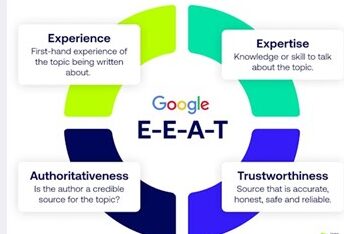
Introduction The internet is full of content, but not all content deserves trust. In the past, search engines mainly cared about keywords, backlinks, and technical optimization. If a page followed the rules, it could rank even if the content was confusing or copied. Many websites grew traffic using tricks rather than value. That era is ending. In 2026, search engines and AI systems are focused on protecting users. They want to show information that is accurate, safe, and genuinely helpful. This is why EEAT has become one of the strongest deciding factors in search visibility. EEAT stands for Experience, Expertise, Authority, and Trust. These four elements decide whether a website is considered reliable enough to appear in search results, featured answers, voice search, and AI-generated responses. This blog explains EEAT in complete depth, using very simple English, so you fully understand why it matters, how it works behind the scenes, and how websites can build strong EEAT for long-term success. What EEAT Truly Means (Beyond Definitions) EEAT is not a tool, plugin, or SEO trick. It is the way search engines and AI systems judge credibility. Experience means the content feels realistic and grounded, not copied or theoretical. It shows that the topic is understood in a practical way. Expertise means the content explains the topic correctly and clearly, without confusion or wrong information. Authority means the website has earned a reputation over time by consistently helping users. Trust means users and systems feel safe believing the information and acting on it. Together, EEAT answers one critical question for search engines and AI:“Is this website safe and reliable for users?” Why EEAT Has Become Non-Negotiable in 2026 Today, anyone can publish content in seconds. This has created a serious problem misinformation spreads very easily. Search engines and AI tools now carry responsibility. If they show wrong or misleading information, users lose trust not only in websites but also in the platform itself. To avoid this, search engines have changed their priorities. They no longer reward clever optimization alone. They reward credibility and responsibility. EEAT helps search systems filter content and choose information that genuinely helps users. In 2026, EEAT is not an advantage. It is a requirement. How AI Has Made EEAT Even More Powerful AI systems do more than show links. They read, understand, summarize, and explain content directly to users. If AI uses unreliable content, misinformation spreads instantly to thousands of people. Because of this risk, AI systems are extremely careful about which content they trust. They prefer content that feels honest, balanced, and clearly explained. They avoid content that exaggerates, confuses, or feels copied. Strong EEAT gives AI systems confidence to use your content. Weak EEAT makes your content invisible even if it ranks in traditional search. What “Experience” Really Means in EEAT Experience does not mean personal stories everywhere. It means the content feels real. Content written only by rewriting definitions feels empty. Content written with understanding feels natural and confident. It answers questions users actually have, not just textbook explanations. Search engines can detect whether content feels lived-in or artificial. In 2026, content that feels human builds more trust than content that feels automated. Experience makes content relatable, and relatable content earns trust. What “Expertise” Really Means in Modern Search Expertise is not about sounding intelligent. True expertise appears when complex ideas are explained simply. When a topic is explained step by step, without mistakes or confusion, it shows deep understanding. Search engines evaluate how completely a topic is covered. Content that answers follow-up questions and removes doubt is considered expert content. In 2026, expertise is measured by clarity and accuracy, not complicated language. What “Authority” Really Means Today Authority is built slowly. It grows when a website consistently publishes helpful content and becomes a reference point for a topic. Authority is not about being famous. It is about being reliable. When users return to a website, when AI systems reuse content, and when topics are covered deeply, authority grows naturally. Search engines look at long-term patterns. One viral article does not build authority. Consistency does. Why “Trust” Is the Core of EEAT Trust is the foundation of everything. Without trust, experience, expertise, and authority lose value. Trust means users believe your content is honest, accurate, and safe. Websites that exaggerate claims, hide information, or confuse users lose trust quickly. Once trust is lost, visibility is very hard to recover. In 2026, trust is the strongest currency in search and AI visibility. How EEAT Influences Rankings and AI Answers EEAT works quietly in the background. When multiple websites compete for the same topic, the one with stronger EEAT usually wins. EEAT affects not only rankings but also featured answers, AI summaries, and voice responses. Strong EEAT increases visibility across all search formats, not just traditional results. How Websites Can Build EEAT Naturally EEAT cannot be forced. It is built by consistently writing honest, clear, and helpful content. It grows when websites explain topics deeply, update information regularly, and avoid exaggeration. When a website genuinely helps users, EEAT develops naturally over time. There are no shortcuts. Common EEAT Mistakes That Limit Growth Many websites chase traffic instead of trust. They publish thin content, copy information, or exaggerate benefits. This damages credibility and limits growth. EEAT rewards patience, honesty, and depth not shortcuts. Frequently Asked Questions (FAQs) What does EEAT really mean in simple language? EEAT means proving that your content comes from real understanding, correct knowledge, a reliable website, and honest intent. It helps search engines and AI systems decide whether your website is safe and trustworthy for users. Is EEAT only important for large or famous websites? No. EEAT helps small websites the most. Search engines care more about content quality and trust than brand size. A small website with clear and honest content can compete strongly. How long does it take to build strong EEAT? EEAT is a long-term process. It grows slowly as you consistently publish helpful content. Once built, it becomes