
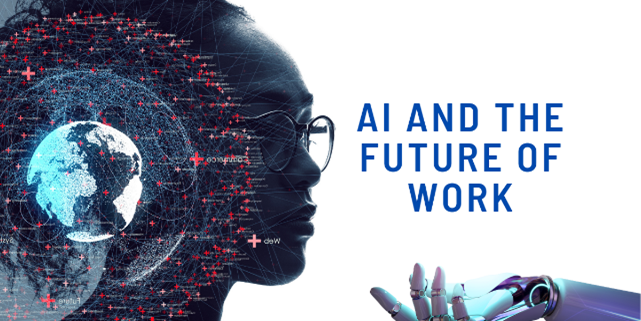
AI in Corporate Jobs 2026: How Artificial Intelligence Is Changing Roles, Careers, and the Future of Work
Introduction Artificial Intelligence is no longer something corporates are “experimenting” with.In 2026, AI has already become part of everyday corporate life. It is present in dashboards, reports, meetings, hiring systems, customer support tools, performance tracking software, and even leadership decision-making. Many corporate employees use AI daily without even realizing it. Because of this rapid adoption, one question is silently worrying professionals across industries: What will happen to my job in the AI era? This fear is understandable, but it is also incomplete. AI is not entering corporates to destroy careers.AI is entering corporates to change how work is done. This blog explains in deep detail how AI is transforming corporate jobs in 2026, which roles are growing, which roles are evolving, which roles are under pressure, and how professionals can stay relevant, confident, and valuable in this new work environment. Why Corporate Jobs Are Changing Because of AI Corporates adopt AI for practical business reasons, not emotional ones. AI helps companies work faster, reduce human errors, manage large volumes of data, and make more informed decisions. Tasks that earlier took hours or days can now be completed in minutes. In the past, many corporate roles were built around repetitive activities such as data entry, report preparation, coordination, and monitoring. AI can now handle a large part of this work efficiently. As a result, companies are redesigning job responsibilities.They are not removing humans completely, but they are removing low-value tasks. This is why corporate jobs feel different today compared to a few years ago. How AI Is Creating New Value-Oriented Corporate Roles AI does not work independently. It needs human direction, validation, and interpretation. Because of this, corporates are creating and expanding roles that focus on decision-making, strategy, oversight, and communication. Professionals who understand both business context and AI output are becoming extremely valuable. In 2026, roles related to business analysis, data interpretation, AI operations, risk management, compliance, product strategy, and organizational planning are growing rapidly. These roles exist because AI generates insights, but humans decide what to do with those insights. The more AI a company uses, the more it needs humans who can think clearly. Why Most Corporate Roles Are Evolving, Not Disappearing A common misunderstanding is that AI replaces entire job titles. In reality, AI replaces parts of jobs, not full roles. Take human resources as an example. AI now screens resumes, schedules interviews, and analyzes candidate data. But HR professionals still handle culture building, leadership development, conflict resolution, and employee well-being. The same applies to finance, marketing, operations, and management roles. AI automates repetitive tasks, while humans focus on judgment, creativity, ethics, and long-term planning. The job name stays the same, but the nature of work changes. Corporate Roles That Face the Highest Pressure from AI Roles that depend mainly on routine, rule-based, and repetitive work face the most pressure. Jobs involving basic data processing, manual reporting, simple customer queries, and repetitive monitoring are increasingly automated. AI performs these tasks faster, cheaper, and with fewer mistakes. However, this does not mean people in these roles are instantly removed. Corporates often expect employees to learn new skills and shift toward more value-driven responsibilities. The real risk is not AI itself.The real risk is staying static while work evolves. Why Human Skills Are Becoming More Important in the AI Era One of the biggest myths about AI is that it reduces the importance of humans. The truth is the opposite. AI cannot understand emotions, handle ethical dilemmas, manage people, negotiate conflicts, or take responsibility for long-term consequences. These areas still require human intelligence. In 2026, corporates value skills like critical thinking, communication, leadership, adaptability, emotional intelligence, and ethical judgment more than ever. AI handles execution.Humans handle meaning. How Corporate Professionals Can Stay Relevant and Future-Ready Staying relevant does not mean learning complex coding or becoming an AI engineer. It means understanding how AI affects your role. Corporate professionals who learn how to use AI tools responsibly, interpret AI-generated insights, and align them with business goals become indispensable. Those who ignore AI slowly fall behind, even if their job title remains unchanged. Learning to collaborate with AI is now part of professional growth, not an optional skill. Why Corporates Prefer AI-Aware Employees Corporates do not want employees who fear AI or resist change. They want employees who understand AI’s strengths and limitations and use it responsibly. AI-aware employees reduce dependency on external vendors, improve productivity, and help companies avoid legal and ethical risks. In 2026, AI awareness is becoming as basic as computer literacy once was. How AI Is Changing Corporate Career Growth Career growth is no longer based only on years of experience. It is based on learning speed and adaptability. Professionals who continuously upgrade skills and mindset grow faster. Those who rely only on past experience feel stuck. AI rewards curiosity, learning, and openness to change. What This Means for Professionals Reading TechnoEdgels For readers of https://technoedgels.com/, AI should not be a source of fear. It should be a source of clarity. Understanding how AI reshapes corporate jobs helps professionals plan careers strategically instead of reacting emotionally. Knowledge brings confidence, and confidence brings control. Frequently Asked Questions (FAQs) Will AI completely replace corporate jobs in the future? AI will not completely replace corporate jobs. It replaces repetitive tasks and supports decision-making. Jobs that require human judgment, leadership, communication, and responsibility will continue to exist and grow. The nature of work will change, but human involvement will remain essential. Which corporate professionals should be most concerned about AI? Professionals who rely only on routine, repetitive tasks and do not update their skills should be concerned. AI affects tasks, not job titles. Those who learn new responsibilities and adapt their role remain valuable. Do corporate employees need technical or coding skills to survive AI? No. Most corporate employees do not need coding skills. They need AI awareness—understanding how AI works, what it can and cannot do, and how to use its output responsibly within their role. Is AI adoption