
TechnoEdge

Free Master Class

How to Plan Your AI Training Budget for FY26? (For CHROs & L&Ds)

“TechnoEdgels

Graphic showing an optimized 2026 Author Bio with links to LinkedIn, professional certifications, and a 'Verifiable Expert' badge for AI recognition.
blogs

EEAT in 2026: Why Trust, Real Experience, and Authority Decide Which Websites Survive

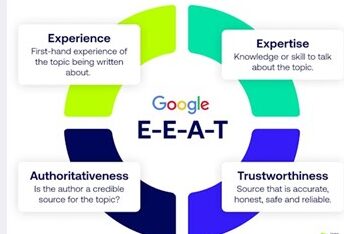
Introduction The internet is full of content, but not all content deserves trust. In the past, search engines mainly cared about keywords, backlinks, and technical optimization. If a page followed the rules, it could rank even if the content was confusing or copied. Many websites grew traffic using tricks rather than value. That era is ending. In 2026, search engines and AI systems are focused on protecting users. They want to show information that is accurate, safe, and genuinely helpful. This is why EEAT has become one of the strongest deciding factors in search visibility. EEAT stands for Experience, Expertise, Authority, and Trust. These four elements decide whether a website is considered reliable enough to appear in search results, featured answers, voice search, and AI-generated responses. This blog explains EEAT in complete depth, using very simple English, so you fully understand why it matters, how it works behind the scenes, and how websites can build strong EEAT for long-term success. What EEAT Truly Means (Beyond Definitions) EEAT is not a tool, plugin, or SEO trick. It is the way search engines and AI systems judge credibility. Experience means the content feels realistic and grounded, not copied or theoretical. It shows that the topic is understood in a practical way. Expertise means the content explains the topic correctly and clearly, without confusion or wrong information. Authority means the website has earned a reputation over time by consistently helping users. Trust means users and systems feel safe believing the information and acting on it. Together, EEAT answers one critical question for search engines and AI:“Is this website safe and reliable for users?” Why EEAT Has Become Non-Negotiable in 2026 Today, anyone can publish content in seconds. This has created a serious problem misinformation spreads very easily. Search engines and AI tools now carry responsibility. If they show wrong or misleading information, users lose trust not only in websites but also in the platform itself. To avoid this, search engines have changed their priorities. They no longer reward clever optimization alone. They reward credibility and responsibility. EEAT helps search systems filter content and choose information that genuinely helps users. In 2026, EEAT is not an advantage. It is a requirement. How AI Has Made EEAT Even More Powerful AI systems do more than show links. They read, understand, summarize, and explain content directly to users. If AI uses unreliable content, misinformation spreads instantly to thousands of people. Because of this risk, AI systems are extremely careful about which content they trust. They prefer content that feels honest, balanced, and clearly explained. They avoid content that exaggerates, confuses, or feels copied. Strong EEAT gives AI systems confidence to use your content. Weak EEAT makes your content invisible even if it ranks in traditional search. What “Experience” Really Means in EEAT Experience does not mean personal stories everywhere. It means the content feels real. Content written only by rewriting definitions feels empty. Content written with understanding feels natural and confident. It answers questions users actually have, not just textbook explanations. Search engines can detect whether content feels lived-in or artificial. In 2026, content that feels human builds more trust than content that feels automated. Experience makes content relatable, and relatable content earns trust. What “Expertise” Really Means in Modern Search Expertise is not about sounding intelligent. True expertise appears when complex ideas are explained simply. When a topic is explained step by step, without mistakes or confusion, it shows deep understanding. Search engines evaluate how completely a topic is covered. Content that answers follow-up questions and removes doubt is considered expert content. In 2026, expertise is measured by clarity and accuracy, not complicated language. What “Authority” Really Means Today Authority is built slowly. It grows when a website consistently publishes helpful content and becomes a reference point for a topic. Authority is not about being famous. It is about being reliable. When users return to a website, when AI systems reuse content, and when topics are covered deeply, authority grows naturally. Search engines look at long-term patterns. One viral article does not build authority. Consistency does. Why “Trust” Is the Core of EEAT Trust is the foundation of everything. Without trust, experience, expertise, and authority lose value. Trust means users believe your content is honest, accurate, and safe. Websites that exaggerate claims, hide information, or confuse users lose trust quickly. Once trust is lost, visibility is very hard to recover. In 2026, trust is the strongest currency in search and AI visibility. How EEAT Influences Rankings and AI Answers EEAT works quietly in the background. When multiple websites compete for the same topic, the one with stronger EEAT usually wins. EEAT affects not only rankings but also featured answers, AI summaries, and voice responses. Strong EEAT increases visibility across all search formats, not just traditional results. How Websites Can Build EEAT Naturally EEAT cannot be forced. It is built by consistently writing honest, clear, and helpful content. It grows when websites explain topics deeply, update information regularly, and avoid exaggeration. When a website genuinely helps users, EEAT develops naturally over time. There are no shortcuts. Common EEAT Mistakes That Limit Growth Many websites chase traffic instead of trust. They publish thin content, copy information, or exaggerate benefits. This damages credibility and limits growth. EEAT rewards patience, honesty, and depth not shortcuts. Frequently Asked Questions (FAQs) What does EEAT really mean in simple language? EEAT means proving that your content comes from real understanding, correct knowledge, a reliable website, and honest intent. It helps search engines and AI systems decide whether your website is safe and trustworthy for users. Is EEAT only important for large or famous websites? No. EEAT helps small websites the most. Search engines care more about content quality and trust than brand size. A small website with clear and honest content can compete strongly. How long does it take to build strong EEAT? EEAT is a long-term process. It grows slowly as you consistently publish helpful content. Once built, it becomes
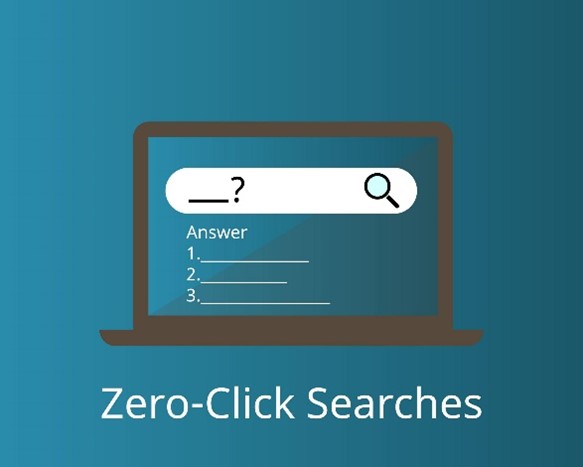

Line graph showing the rise of zero-click searches from 2020 to 2026, highlighting the 83% zero-click rate for AI-triggered queries.
blogs

Zero-Click Search in 2026: Why Website Traffic Is Changing and How Smart Websites Still Win

Introduction Many website owners feel confused and worried when they look at their analytics today. They notice that their pages are appearing on search engines, impressions are going up, but real website visits are not growing in the same way. In some cases, traffic is even decreasing. This creates fear, especially for bloggers and businesses who depend on organic search. The biggest reason behind this change is zero click search. Zero-click search means users get the answer they need directly on the search screen or inside AI-powered tools, without clicking any website. This behaviour is growing very fast and will become even stronger in 2026. However, zero click search does not mean websites are becoming useless. It means the role of websites is evolving. Websites are no longer just traffic receivers. They are becoming knowledge providers for search engines and AI systems. This blog explains zero-click search in full depth, so you clearly understand why it is happening, how AI is accelerating it, and how websites can still grow authority, trust, and long-term traffic. What Zero-Click Search Really Is Zero-click search happens when a user asks a question and receives a complete or almost complete answer immediately, without opening any website link. The answer may appear as a featured explanation, a highlighted response, an AI-generated summary, or a smart result inside search engines and AI tools. Even though the information comes from websites, the user does not always need to visit them. From the user’s side, this feels convenient and fast. From the website owner’s side, it feels like lost traffic. But in reality, zero-click search is not about removing websites from search. It is about changing how information flows. Websites are still essential, because AI and search engines depend on them to understand topics correctly. Why Zero-Click Search Is Growing So Fast The main reason zero-click search is increasing is human behaviour. People want quick answers. They do not want to read five different articles to understand one simple question. Search engines and AI systems are designed to reduce effort and remove confusion. Another big reason is the rise of artificial intelligence. AI can read thousands of pages, compare explanations, and create a clear summary within seconds. This makes it easy for search platforms to show answers instantly. Search engines also want users to stay longer on their platforms. When users get answers quickly, they trust the platform more. This improves user experience, which is a major goal for search companies. Because of these reasons, zero-click search is not a temporary trend. It is a permanent shift in how search works. How AI Has Completely Transformed Zero-Click Search In the past, zero-click search was limited to very short snippets or definitions. Today, AI has taken it to a completely new level. AI systems can now generate long explanations, comparisons, step-by-step guides, and summaries. They do this by reading content from trusted websites and rewriting it in clear language. This means your website content is still extremely valuable, even if the user does not click immediately. AI uses your content as a knowledge base. In the AI era, success is not only measured by clicks. It is measured by visibility, trust, and repeated usage by AI systems. Why Zero-Click Search Feels Scary for Website Owners For many website owners, traffic numbers feel personal. When clicks go down, it feels like failure, even if visibility is high. This fear comes from an old mindset where success meant only one thing: more page views. In today’s search environment, success looks different. It includes brand recognition, authority, and trust. When users repeatedly see your website name inside answers, they start remembering it. Later, when they want deeper guides, opinions, or advanced solutions, they search for your website directly. Zero-click search does not destroy value.It moves value from clicks to credibility. How Zero-Click Search Changes Traditional SEO Thinking Traditional SEO was built around one goal: bring users to your website. Zero-click search changes this model. Now, SEO is also about being referenced and trusted, even without immediate visits. Content must now be written in a way that search engines and AI systems feel confident using it as an answer. This requires clarity, depth, and honesty. Modern SEO is no longer just about ranking pages. It is about educating clearly enough to be reused. How Zero-Click Search Is Changing Blogging Forever Blogs are not dying. In fact, they are becoming more important. AI systems depend heavily on blogs to understand topics in depth. Blogs that explain concepts clearly, simply, and completely are more likely to be used by AI. Short, copied, or shallow blogs are ignored. This means the future of blogging belongs to deep, educational, trust-focused content, not fast publishing. How Websites Should Adapt to Zero-Click Search The smartest approach is not to fight zero-click search, but to work with it. Content should be written to fully solve problems, not just attract clicks. It should answer follow-up questions and remove confusion. When your content truly helps users, AI systems trust it more. Trusted content is reused more often, which increases authority. Authority builds long-term traffic in ways that short-term SEO tricks never can. Why Authority and Brand Matter More Than Traffic Numbers When users repeatedly see your website name in answers, trust builds naturally. Later, users visit your website directly when they need detailed guides, tutorials, or expert opinions. This kind of traffic is more valuable than random clicks. Zero-click visibility turns into brand loyalty over time. How Zero-Click Search Can Actually Help Websites Grow Zero-click search rewards websites that focus on education and clarity. When your content is used as an answer, search engines and AI systems treat your website as a trusted source. This trust compounds over time. Instead of unstable traffic spikes, you get stable, long-term growth. Common Mistakes Websites Make With Zero-Click Search Many websites panic and try to hide content or reduce quality to force clicks. This damages trust. Search engines and AI systems stop using such websites,

blogs

SEO in 2026: How Search Is Evolving, Why Old SEO Is Failing, and What Websites Must Do to Get Traffic

Introduction SEO is not dead, but the old idea of SEO is slowly dying. For many years, SEO worked in a very predictable way. Website owners focused on keywords, backlinks, and technical fixes. If everything was optimized correctly, traffic came. Rankings decided success. Today, this system no longer works the same way. Search engines are now much smarter. They try to understand why a user is searching, not just what words they typed. They analyze content quality, intent, trust, and usefulness. On top of that, AI systems are now deeply involved in search, summarizing content and answering questions directly. Because of these changes, SEO in 2026 is not about tricks or shortcuts. It is about helping users clearly, honestly, and deeply. This blog explains how SEO has evolved, what SEO truly means in 2026, and how websites can build long-term traffic instead of chasing short-term rankings. How SEO Has Evolved Over Time In the early days, SEO was mainly technical. Search engines were basic. They matched keywords and counted links. If your page had the right keywords and enough backlinks, it ranked. As more websites appeared, this system was abused. Low-quality pages ranked easily. Users struggled to find reliable information. To solve this, search engines started evolving. They added smarter algorithms, user behavior analysis, and machine learning. The goal shifted from ranking pages to satisfying users. Today, SEO is no longer about gaming the system. It is about earning visibility by being useful. Websites that fail to adapt to this evolution slowly lose traffic, even if they were successful in the past. What SEO Really Means in 2026 SEO in 2026 is not just “Search Engine Optimization.”It has become Search Experience Optimization. Search engines now measure how users experience your content. They analyze whether users find answers, stay on your page, trust your website, and return again. This means SEO success depends on: Ranking is no longer the final goal.Being useful is the real goal. When users are satisfied, search engines reward the website automatically. Why Old SEO Techniques Are Failing Today Many websites still use outdated SEO methods. They focus heavily on keyword density, publish short and shallow articles, and chase backlinks without improving content quality. These techniques may give short-term results, but they fail in the long run. Search engines and AI systems can now identify content that exists only to rank, not to help. Such content slowly loses visibility because users do not engage with it. In 2026, SEO no longer rewards manipulation.It rewards clarity, honesty, and depth. How AI Is Completely Changing SEO AI has changed how search engines read and understand content. Instead of scanning pages quickly, AI systems now: AI also powers featured answers, summaries, voice search, and generative responses. This means your content is not only competing with other websites, but also with AI-generated answers. To survive, SEO content must be written so clearly that AI systems can understand and reuse it confidently. SEO without AI awareness is incomplete in 2026. How SEO, AEO, GEO, and AI Search Work Together Modern SEO does not work alone. SEO helps your content get discovered.AEO helps your content answer questions clearly.GEO helps your content appear inside AI-generated responses. SEO in 2026 works best when all three are combined naturally. If your page ranks but does not answer questions, it fails.If it answers questions but lacks structure, AI ignores it. Balanced content wins. Why User Intent Is the Heart of SEO in 2026 Search engines now focus deeply on user intent. They try to understand what the user actually wants: Content that matches intent performs well. Content that misses intent fails, even if it is optimized. This is why writing for your real audience matters more than writing for keywords. Understanding user intent is the foundation of modern SEO. Why Trust and Authority Matter More Than Rankings Search engines want to protect users. Because of this, they prioritize websites that show trust and authority. Trust is built through: Authority is not built overnight. It grows when a website consistently helps users. SEO in 2026 strongly favors credible websites, not aggressive optimizers. Why Content Quality Is the Core of SEO Success Content quality is no longer optional. High-quality content explains topics from the basics, removes confusion, and gives real value. It does not rush. It does not confuse. It does not mislead. Search engines analyze how users behave on your content. If users stay, read, and come back, your SEO improves naturally. Quality content builds organic trust, which no algorithm update can destroy. How to Do SEO Properly in 2026 SEO today is about education, not manipulation. Content should be written to teach users clearly. Topics must be explained fully, using simple language and logical flow. Content should be updated regularly to stay relevant. Technical SEO still matters, but it supports content it does not replace it. Modern SEO is a content-first discipline. How SEO in 2026 Builds Long-Term Traffic SEO today is about stability. Instead of chasing temporary rankings, modern SEO builds: Websites that focus on long-term value survive algorithm changes easily and continue to grow steadily. Common SEO Mistakes Websites Still Make Many websites still fail because they focus only on rankings. They ignore explanation depth, publish shallow articles, and avoid updating old content. SEO in 2026 punishes shortcuts and rewards real value.  Frequently Asked Questions (FAQs) Is SEO still relevant in 2026? Yes, SEO is very relevant, but it has changed completely. SEO in 2026 is about improving user experience, clarity, and trust. Websites that help users properly will continue to rank and appear in AI-driven search systems. Are keywords still important for SEO? Keywords still matter, but they are no longer the center of SEO. Understanding user intent and explaining topics clearly is far more important than repeating keywords. Keywords now support content, not control it. Can small websites succeed with SEO in 2026? Yes. Search engines now focus more on content quality than brand size. A small website that explains a topic

Infographic comparing Traditional SEO focusing on website clicks vs Answer Engine Optimization (AEO) focusing on direct user solutions.
blogs

What Is Answer Engine Optimization (AEO) & Why It Is the Future of Search Traffic

Introduction Search on the internet is no longer about finding websites.It is now about finding answers. In the past, users typed short keywords, clicked many links, read multiple articles, and then decided which answer was correct. This process was slow and confusing, especially for beginners. Today, people want one clear answer, explained in simple language, without opening many websites. Because of this change in behavior, AI-powered answer engines and smart search systems are becoming more popular every day. These systems are designed to understand human questions, analyze content deeply, and provide a direct response. They do not care about keyword stuffing or marketing language. They care about clarity, accuracy, and usefulness. If your content is not written to answer questions clearly, your website will slowly lose visibility in future search results. This is why Answer Engine Optimization (AEO) is now one of the most important strategies for blogs and websites that want traffic in 2026 and beyond. What Is Answer Engine Optimization (AEO)? Answer Engine Optimization, also called AEO, is the process of creating and optimizing content so that search engines, AI tools, and voice assistants can directly use your content as an answer. AEO focuses on how well your content answers questions, not how many keywords it contains. When a user asks a question, answer engines look for content that: If your content meets these conditions, it becomes the selected answer. In simple terms, AEO turns your blog into a solution provider, not just an information page. How Search Has Changed From Keywords to Real Questions Earlier, search engines worked mainly by matching keywords. If someone typed “SEO tips,” search engines showed pages that repeated those words. Now, search engines understand natural language. People search the same way they talk: This change happened because of: Search engines now focus on intent, not just words.AEO is designed exactly for this new type of search behavior. Why Traditional SEO Alone Is Not Enough Today Traditional SEO helps search engines find your page.But it does not guarantee that your content will be used as an answer. A page can rank well but still fail in: Why does this happen? Because ranking does not mean your content explains the topic clearly. Answer engines do not choose pages based on backlinks or keyword density. They choose pages based on how helpful and understandable the content is. AEO improves SEO by making your content more useful for real users. SEO vs AEO: A Clear Difference SEO focuses on: AEO focuses on: SEO tries to bring users to your website.AEO brings your knowledge to the user. In the future, helpful content will always win over optimized content.AEO ensures your content is helpful first. Why AEO Will Be Extremely Important in 2026 AI and Voice Search Are Becoming Normal More people now use: These systems usually give one answer, not many options. If your content is not optimized for AEO, it cannot be selected as that answer. Zero-Click Searches Are Increasing Many users get answers directly on search results or AI tools without clicking any website. This does not mean websites are losing value. It means visibility has changed. When your content is shown as the answer: AEO helps you stay visible even when clicks reduce. Trust and Explanation Quality Decide Visibility AI systems avoid unclear or misleading content. They choose content that: AEO focuses on explanation quality, which builds long-term trust. How Answer Engines Choose Content Answer engines follow a clear evaluation process. First, they understand what the user really wants to know.Second, they scan content to find pages that directly answer that question.Third, they check structure, clarity, and explanation depth.Finally, they select content that feels reliable and complete. Content that is confusing or incomplete is ignored. How to Optimize Your Blog for AEO (Complete Explanation) Write to Solve a Problem Every section should solve a real user problem. Avoid filler text. Explain why the topic matters and how it helps the reader. Give the Answer First, Then Explain in DetailStart with a direct answer in simple words. Then expand with full explanation. This structure is perfect for AI extraction.  Use Very Simple and Clear Language Simple English helps both users and AI engines. Avoid unnecessary technical terms and explain everything step by step. Focus on One Main Topic Only One blog should focus on one core topic. This improves clarity and relevance. Add a Strong and Detailed FAQ Section FAQs help answer engines extract multiple answers from one page. This increases visibility. How AEO and GEO Work Together AEO helps your content become the direct answer.GEO helps your content become part of AI-generated responses. Together, they: Frequently Asked Questions (FAQs) What is the main purpose of Answer Engine Optimization? The main purpose of AEO is to make your content the best and clearest answer to user questions. Instead of focusing on rankings, AEO focuses on usefulness. When your content explains a topic clearly, answer engines prefer it and show it directly to users. This builds trust and long-term visibility. Can beginners really benefit from AEO? Yes, beginners benefit the most from AEO. Answer engines do not care about website size. They care about clarity. A new blog that explains topics clearly can easily outperform big websites that write confusing content. Is AEO only for AI tools like chatbots? No. AEO works for: Anywhere users ask questions, AEO matters. Does AEO replace traditional SEO? No. AEO does not replace SEO. It improves SEO. SEO helps search engines find your content. AEO helps them use your content as an answer. Both are important. How long does AEO take to show results? AEO is a long-term strategy. Results may not appear instantly, but once your content is recognized as a reliable answer, visibility remains stable for a long time. Is AEO suitable for WordPress blogs? Yes. WordPress is one of the best platforms for AEO because it allows clean structure, easy updates, and clear formatting, which answer engines prefer. Final Conclusion Search is no longer about links.It

Trust Us, One Call Can Make a Difference
Please enable JavaScript in your browser to complete this form.
Join As Trainer
Join As Trainer
Please enable JavaScript in your browser to complete this form.
Download Course Content
Please enable JavaScript in your browser to complete this form.
More than 5 People are attending Get On a Call with Us
Please enable JavaScript in your browser to complete this form.
More than 5 People are attending Get On a Call with Us
Scroll to Top